Aoibheann Ní Mheara
Also known as: The Keeper of the Rolls
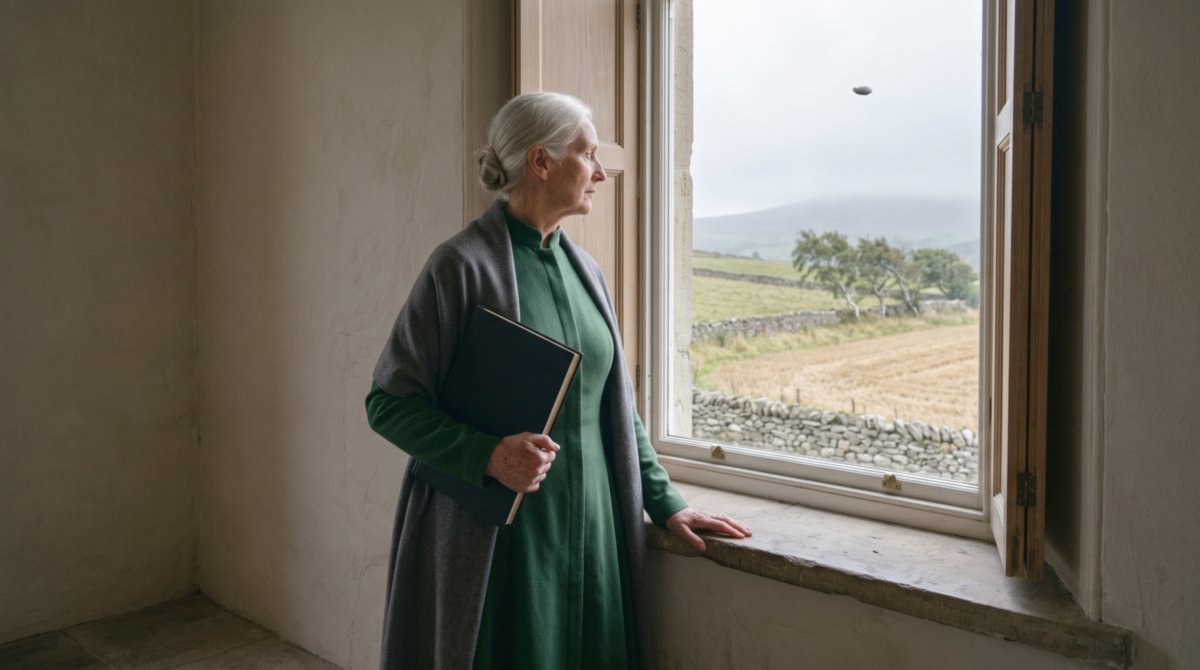
Aoibheann Ní Mheara keeps the Rolls on Tír na nÓg: the Registry of Rolls and Holdings, the office that holds what the Celtic Union's flagship world is prepared to write down about itself. The Rolls are believed; that is all a register is; and every line she holds is checkable against ground someone can walk — a boundary, a harvest, a billet, a grave.
The one document of hers the record holds is a reply. Roughly once a tenure a petition arrives at the Registry asking for a courtesy list: the old chiefly names and carried titles that crossed with the Currach Fleet, acknowledged in the Registry's hand as being what their families say they are. The petitioners ask for no legal standing and no right. The Union's charter confers no titles and takes none away, and they know it. Ní Mheara declined, as her predecessors declined, and minuted the reason so that the next Keeper need not compose one. The reply is filed as received, beside the Union charter materials.
Known History
- Keeper of the Rolls, Tír na nÓg, during a tenure the record does not date. The reply was conveyed to the Survey delegation, which places it after the Union's reconnection with the Solar System. The Courtesy That Was Withdrawn.
- Her reason is not the constitution but a piece of history that came out on the same ships: the old republic on Earth kept a courtesy list for some sixty years and ended it in a single season, when one recognised pedigree was shown to have been written backwards. The republic's silence afterwards is the policy the Union inherited, "not a doctrine first, but a burn."
- The argument she minutes is the Registry's own. A pedigree is the one claim of its kind that walks nowhere, so a register could only ever believe it, and a register that writes down what it merely believes has adopted it and must defend it forever. To notice, to dispute, to record: the three refusals are one refusal.
- The Archivist's note confirms the Earth-side practice substantially as she gives it, and sets her final paragraph beside Marked Absences, another registry declining to let a record adopt a guess.
Character Notes
She writes as someone who respects a close reading enough to answer it with better than a citation. The petitioners are careful to ask for nothing, and she says so first; she declines them "with respect", and expects to decline again. The temperament the minute shows is a registrar's: exact about what the office can verify, unwilling to lend its belief where it cannot, and plain that the courtesy is only wanted because it will be believed.
The record holds her name, her office and this one minute. Her birth, her family, the names of her predecessors, the year of her tenure and what became of her after it are not on file. Whether she still kept the Rolls in 2826 UCSD the record cannot say.
See also
- The Courtesy That Was Withdrawn
- The Celtic Union of Planets — the charter's position on titles and honours
- Tír na nÓg
- Marked Absences — the other registry that refuses a guess
Discussion
Show discussion
Comments are read after they are posted and anything unsuitable is removed. Posting needs a GitHub account; reading needs nothing.