Kernowek Reach
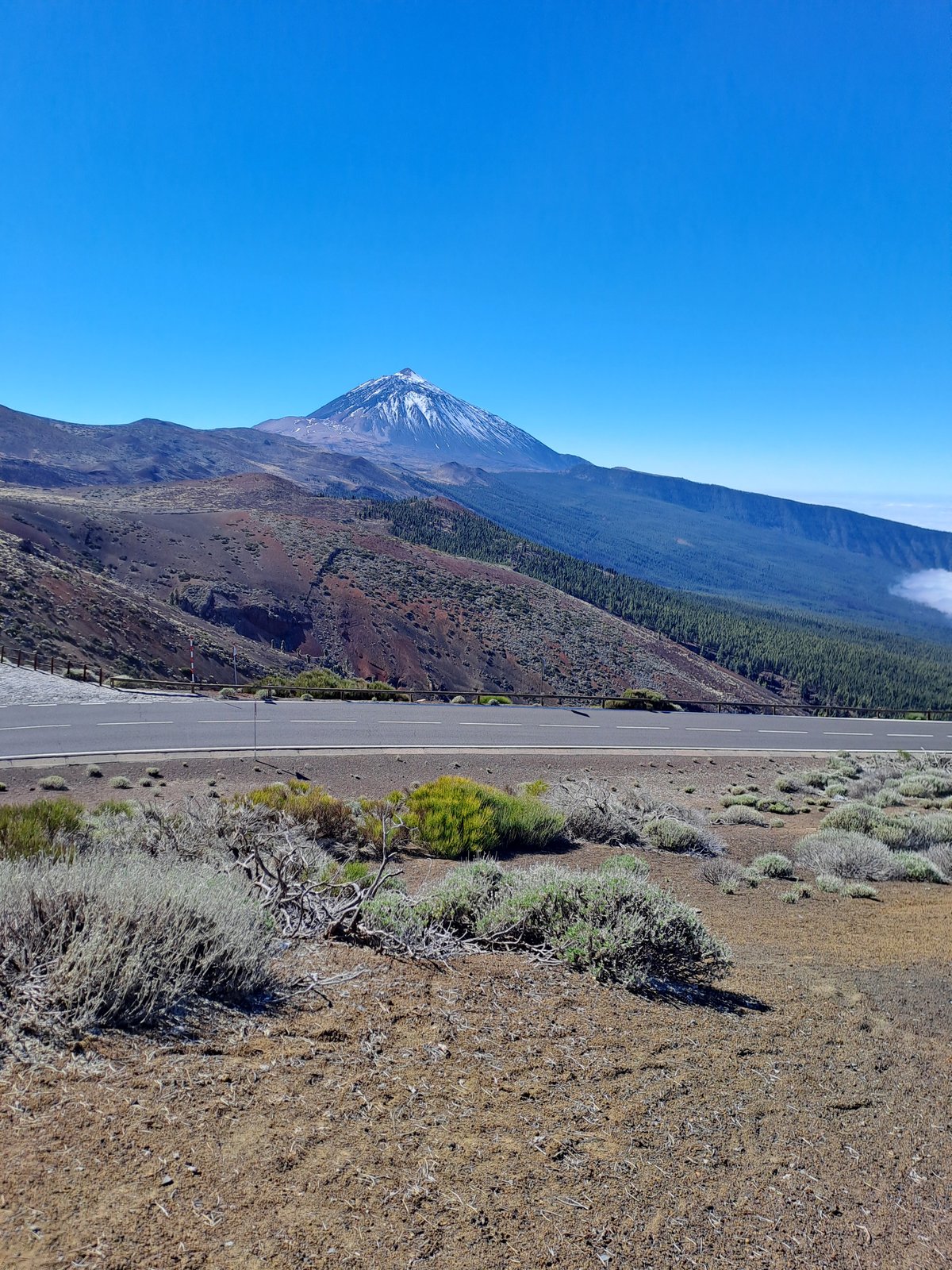
Every other Currach Fleet ark found a world and settled it. The ark that reached Lyonesse found a world and started rebuilding it, and four generations later, still isn't finished.
Kernowek Reach is the fourth planet of the Lyonesse System — named by its Cornish-speaking founding cooperative for the drowned land of their own mythology, a choice survey botanists still call the bleakest joke in the Union's naming conventions — and the most recently documented of the Celtic Union of Planets' charter worlds, after decades logged in Solar System record as a name with no survey data behind it.
Why the Reach Needed Reclaiming
Lyonesse's fourth planet was never as flatly hostile as Ynys Wydrin — its native atmosphere is chemically breathable, in the narrow sense that a human wouldn't die outright on contact with it. It is also thin, oxygen-poor, and laced with the particulate haze of a volcanic spine that never fully went dormant, which made unaided settlement a slower kind of failure rather than an immediate one. The founding cooperative's answer was not a dome. It was a band.
Processor stations anchored along the mid-altitude ridgelines continuously scrub and enrich a defined atmospheric layer wrapped around the world's volcanic highlands — not a sealed habitat, but a maintained one, thin air made breathable by machinery that never stops running rather than by machinery that seals it out. Four generations of continuous operation have widened that band considerably. It has not yet reached the summit, and the founding charter's own engineering annex assumed, at the time of writing, that it never fully would.
The Cloud Line
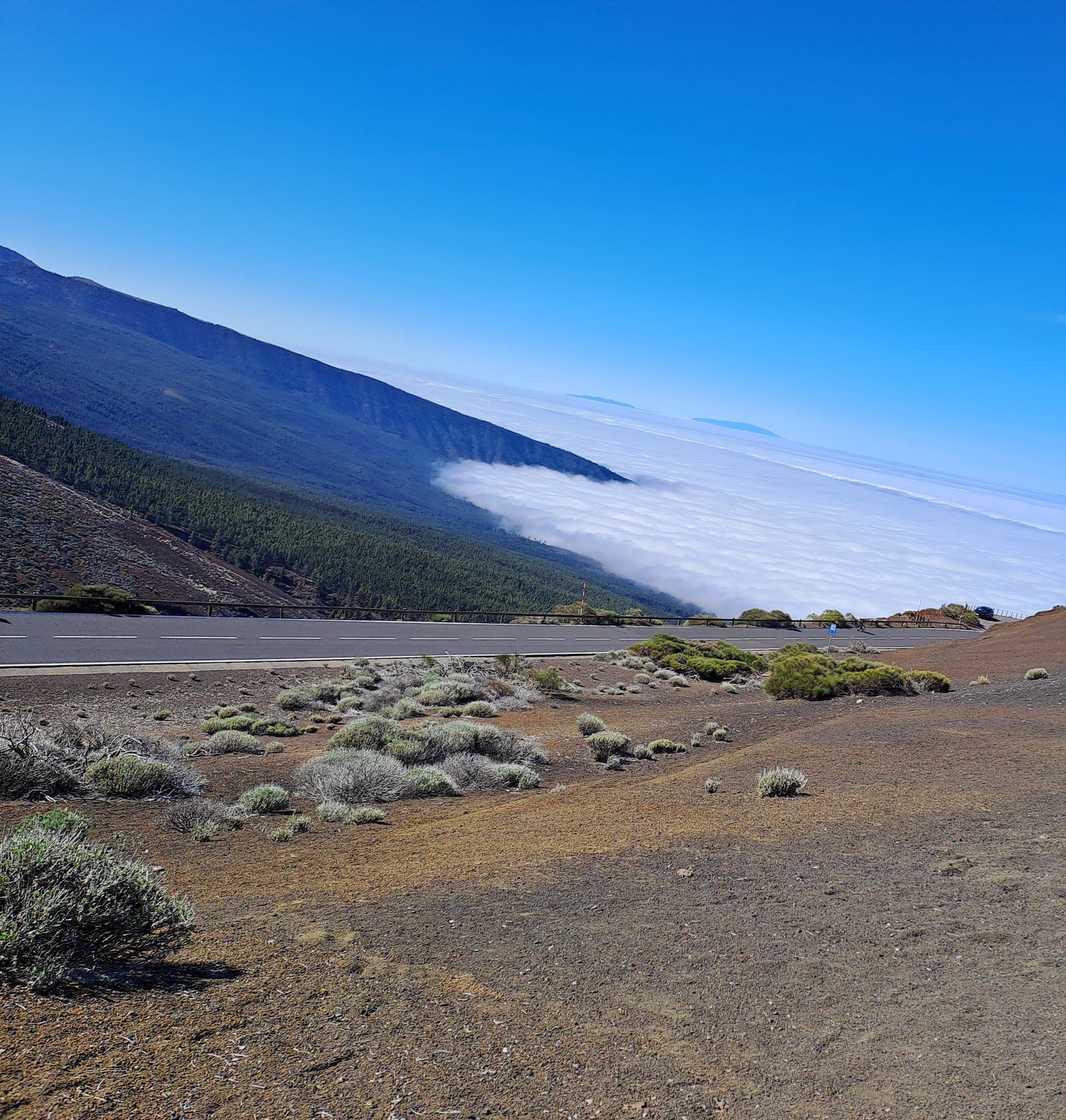
Where the processed band meets the raw native atmosphere below, moisture drawn up out of the lowland haze condenses hard against the temperature gradient the processor stations maintain — a permanent, weather-scale boundary the settlers named the Cloud Line and never bothered renaming once the novelty wore off. From above it reads as an ordinary sea of cloud. From the ridgelines that hold the settled band, it is the closest thing Kernowek Reach has to a coastline: the visible edge of the world humans can stand on without support.
The High Reach
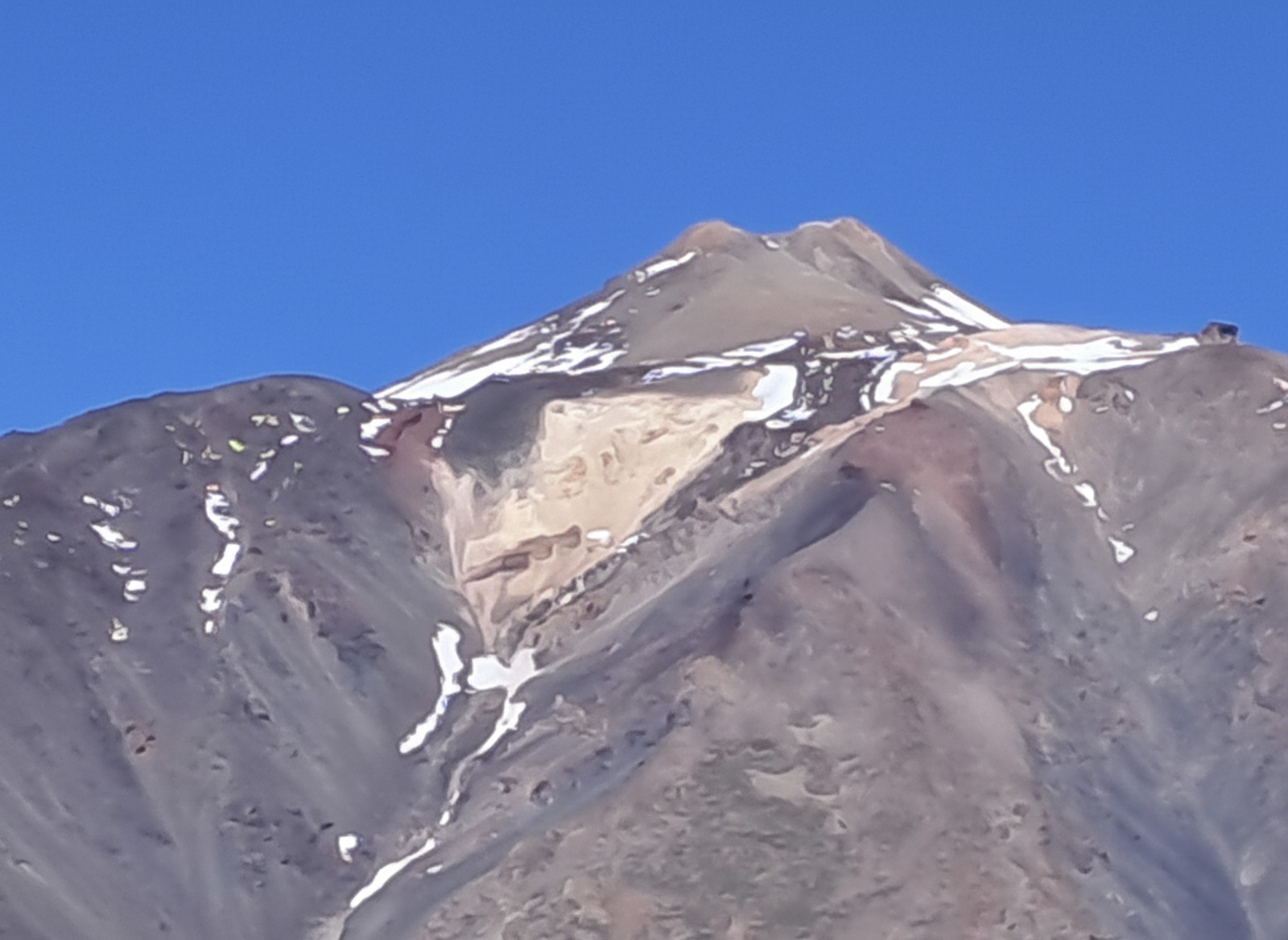
Above the band, the mountain keeps its own weather. Snowfields pack into the summit's shadowed folds year-round, thin air turns unbreathable well before the true peak, and the only structures above the processor line are the stations themselves, unstaffed and drone-serviced, logging conditions no one has scheduled a reason to stand in.
The Sundered Ridges
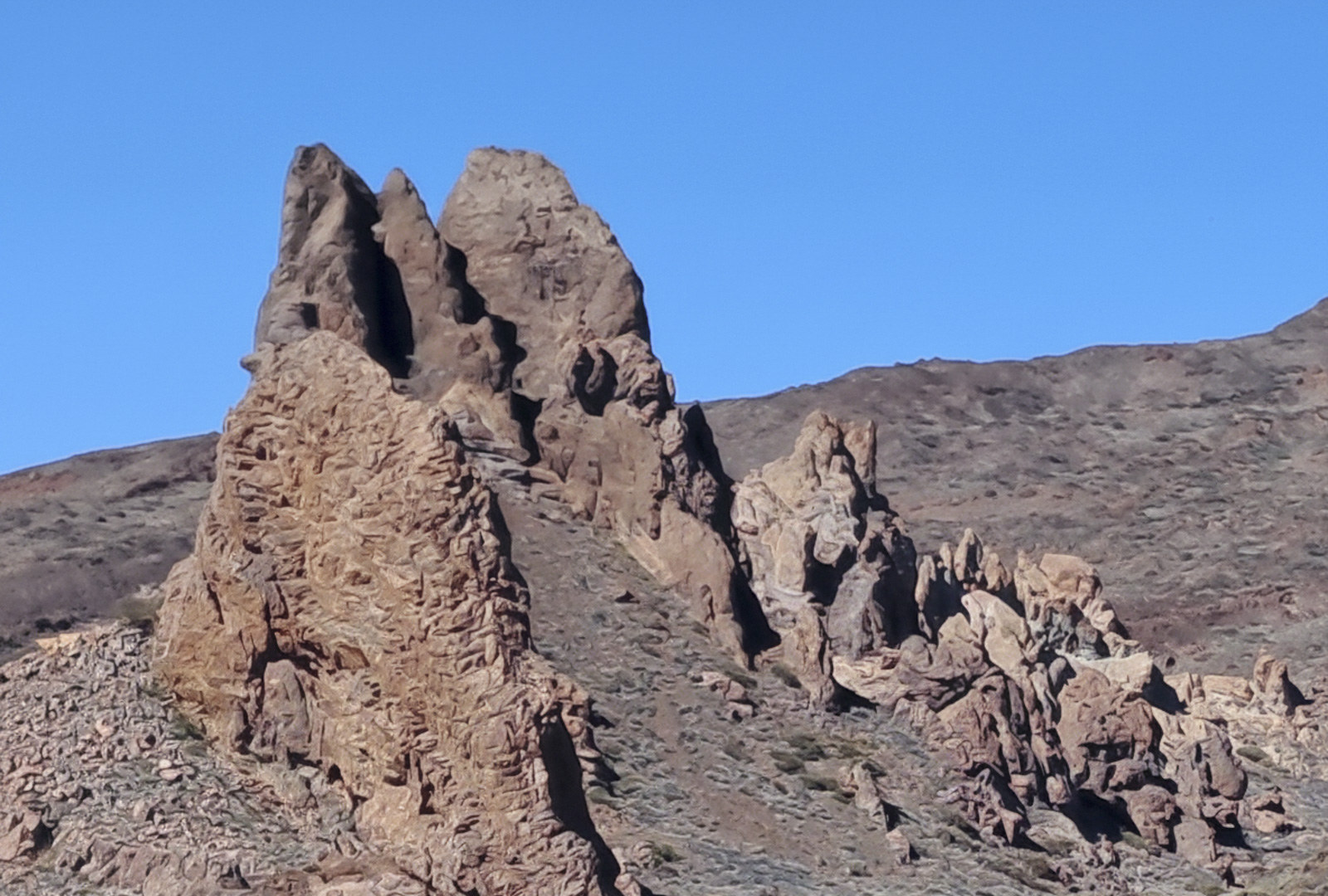
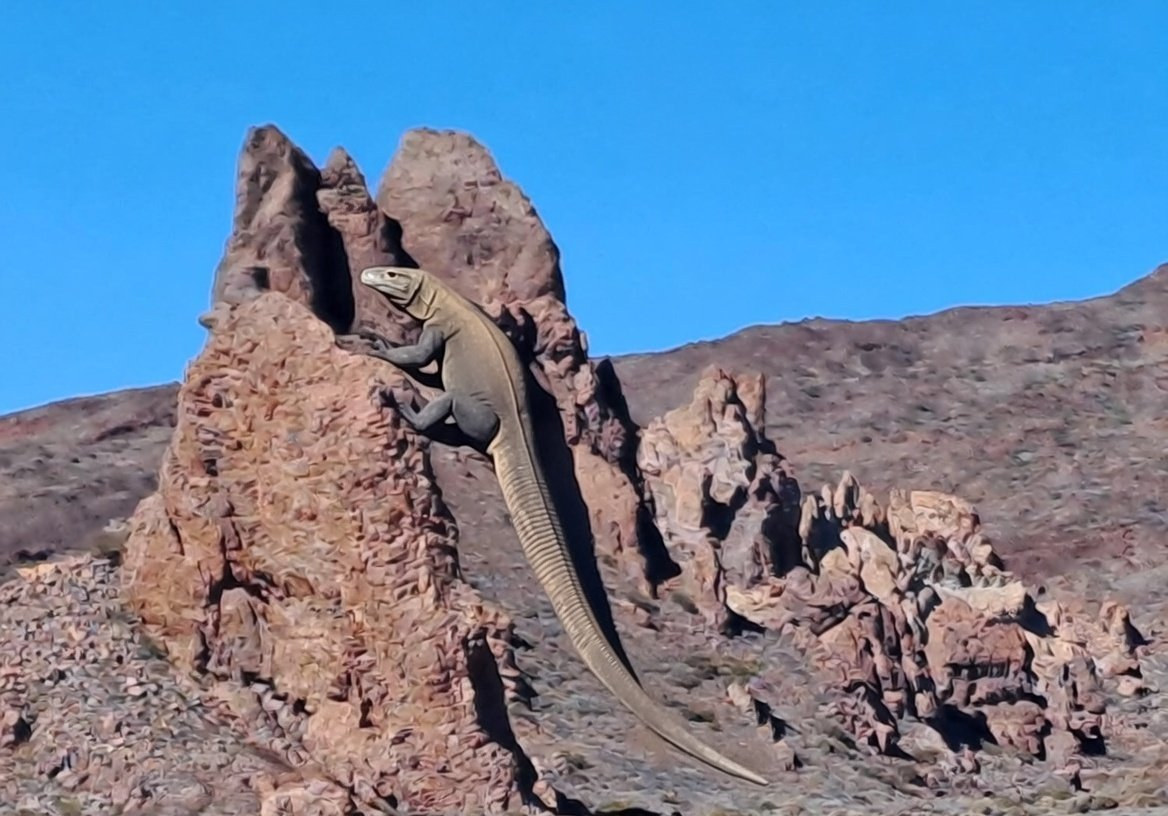
Within the band itself, decades of frost-shatter and volcanic uplift have carved the highland rock into standing spires the settlers call the Sundered Ridges — sharp enough that the first survey maps mistook several formations for structures before anyone had set foot on the ground to correct the record.
Fauna: the Ridge-Strider
The Ridges are not empty. A native reptile the settlers named the ridge-strider — stone-grey, long-tailed, built low and broad-clawed for exactly this terrain — suns itself along the spires through the band's cold mornings, warmed as much by the volcanic rock underfoot as by Lyonesse's own light. Xenobiologists still argue whether its resemblance to Earth's own extinct giant lizards is convergent design for a similar niche or simple pattern-matching by observers who grew up expecting reptiles to look a certain way. The settlers, who named it before any xenobiologist arrived to object, have never much cared which.
Settlement Character
Kernowek Reach fits none of the three registers already documented across the Union's other worlds. It is not Tír na nÓg's recessed biosphere technology, and it is not quite Ynys Wydrin's domed, everything-visible hard-station register either, though it shares that register's instinct toward legibility. There is no dome to retreat behind. The processor towers, the pipeline scrub lines strung along the ridge road, and the cloud-seeding drones holding the band's edge steady are not equipment inside the habitat — they are the habitat, running continuously in open air, because the alternative to running them is not shelter but the summit's own thin, cold nothing.
Engineered ground-cover scrub, bred for the band's low oxygen and volcanic soil, holds the slopes against frost-shatter erosion along every stretch of settled ridge road, planted and maintained by the same cooperative structure that runs the processor stations themselves.
Role in the Union
Kernowek Reach's charter membership was never in question — its ark's manifest was on file with the other five from the Currach Fleet's original departure — but its survey status stayed open for decades after Solar System reconnection, one of the last charter worlds Union records could confirm by name only, pending contact. That gap closed only recently, when a Survey Corps team mapping the Lyonesse approach lanes made the Reach's first documented outside contact in generations. What the Union has to offer in return is narrow but valuable: four generations of continuous open-air atmospheric engineering at a scale no other charter world has needed, or attempted.
See also: The Celtic Union of Planets, Ynys Wydrin, Tír na nÓg, Aethelrock, Environmental Technology Design.
Discussion
Show discussion
Comments are read after they are posted and anything unsuitable is removed. Posting needs a GitHub account; reading needs nothing.