The Crisis Centuries: Terran Wildlife from Collapse to Stewardship
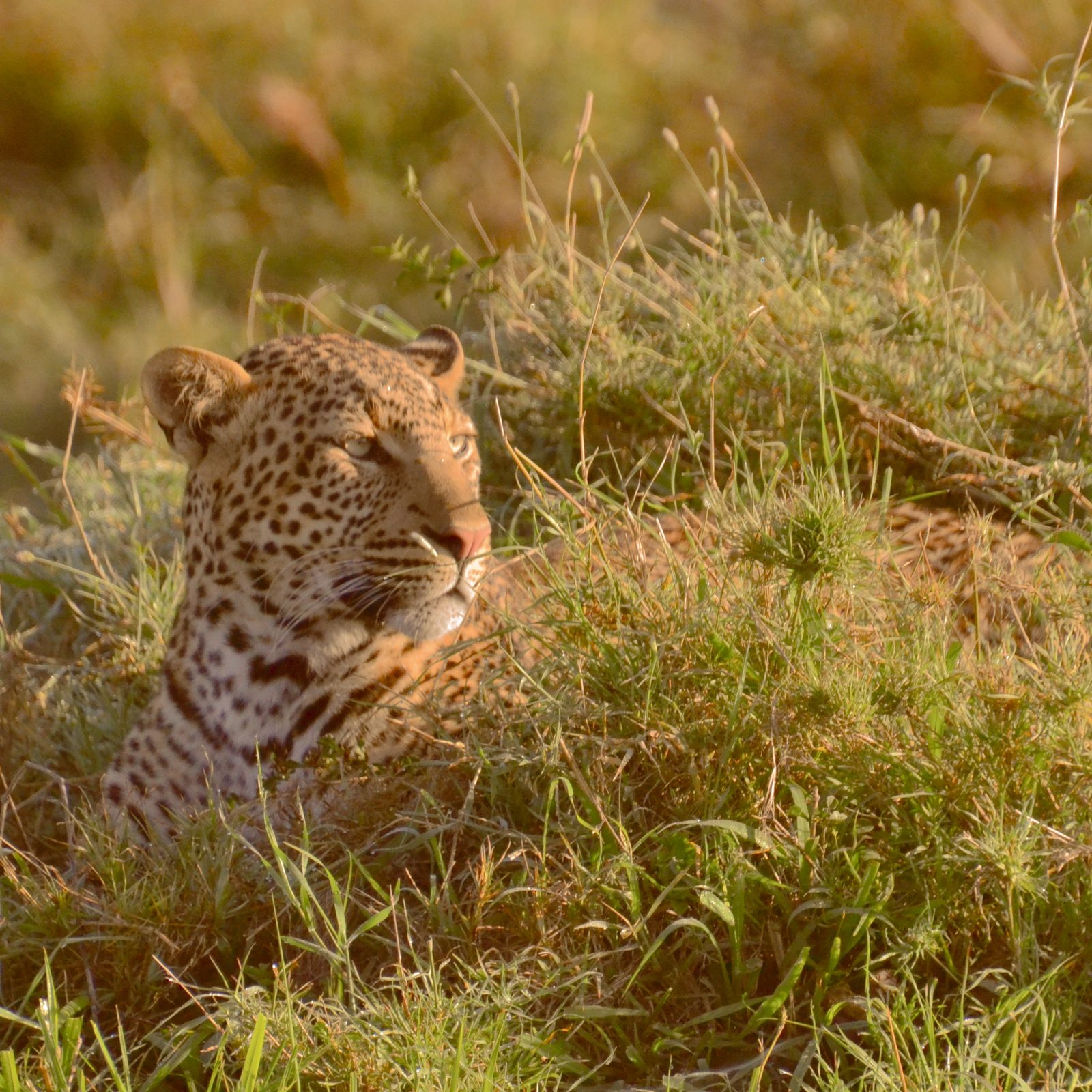
A survey botanist cataloguing Tír na nÓg's lowlands once spent a full field season convinced she'd found transplanted Earth stock, before the pigment chemistry proved otherwise. The mistake says less about Tír na nÓg than about Earth: by 2826 UCSD, a giraffe grazing in a Solar System Defence Command preserve looks close enough to a twenty-first-century photograph that most visitors assume nothing happened in between. Something did. It just wasn't mostly evolution.
The Long Emergency
The instability that later archivists call the Crisis Centuries had no single start date, but its sharpest phase is well documented: the climate-driven coastal fragmentation events of the 2130s and 2140s, the same decades that stress-tested the Subsea Cable Warden Programme and cost the historical record its 2130s data-loss gap. Sea-level rise, ocean acidification and deoxygenation, and a sharp rise in extreme heat and drought events compressed a century of expected ecological change into a few decades.
Wild populations answered the only way they could: fast. Amphibians, already vulnerable to heat, drought, and disease, suffered the steepest documented losses of any vertebrate class, and never fully recovered even with later intervention. Reef ecosystems collapsed into algae- and sponge-dominated systems as calcifying organisms lost ground. Large, slow-breeding species — big cats, elephants, whales, and the great apes among them — declined faster than natural selection or unmanaged migration could answer.
Smaller, faster-breeding lineages did the opposite. Insects and cephalopods diversified into niches vacated by collapsing specialists. Urban-adjacent generalists — corvids, coyotes and other opportunistic canids, rodents, gulls — shifted toward nocturnal activity, broader diets, and bolder behaviour around human settlement, changes fast enough to be visible within a handful of generations. Range-edge populations pushed poleward and upslope into contact with relatives they'd been separated from for millennia, producing hybrid zones that hadn't existed in the pre-crisis record. None of this was managed. It was Darwinian selection running at the speed the crisis forced on it, with no institution yet capable of slowing it down.
The Turn
Recovery began the way the Warden Programme did: as scattered, uncoordinated coalition action rather than a single founding act. Surviving Earth governments and cooperatives, working from the same emergency footing that produced the classified cable-protection effort, began the slower, less secret work of habitat continuity — seed and genetic archives for species past the point of natural recovery, assisted migration corridors for range-shifted populations, and the first reef-scaffolding and rewilding programmes.
That patchwork consolidated the way most Earth-side infrastructure of the period did: folded into the United Space Consortium's civil administration after 2337 UCSD (2137 CE), carried forward with uneven attention under the Imperium, and formalised in its current form under Solar System Defence Command's environmental protocols — the standing authority now credited with keeping Earth's remaining unmanaged biomes healthier than at any point since the early industrial era. The engineering that made the recovery possible, and the profession it created, are the subject of Climate Repair and the Origin of Terraforming.
Three Centuries of Stewardship
What SSDC preserves practice today is closer to the register documented elsewhere for biosphere-world environmental technology than to hands-off conservation: cosmetic nanite upkeep, drones that hold station at the edge of notice, genetic-archive reintroduction keeping flagship lineages breeding true rather than drifting. A leopard photographed in a 2826 preserve is not the descendant of eight centuries of unmanaged selection — it is the deliberately maintained result of an institution that decided which parts of the old biosphere were worth holding still.
That decision was selective by necessity. Preserve coverage concentrates on charismatic, ecologically flagship, and scientifically documented lineages. It was never extended, and could not have been extended, to every wild population on the planet.
What Actually Changed
Outside the preserves, the Crisis Centuries left permanent marks that stewardship never reversed, because no one was trying to. Urban generalist lineages carry crisis-era adaptations in their behaviour and physiology to this day — bolder, more nocturnal, more broadly omnivorous than their twenty-first-century ancestors, and now old enough as distinct populations that field taxonomists debate incipient subspecies status for several corvid and canid lines. Deep-ocean and open-water fauna, never practically covered by any preserve boundary, kept evolving on crisis-era trajectories: smaller, faster-maturing fish assemblages, and cephalopod lineages that expanded into ecological roles reef-obligate vertebrates once held and never fully reclaimed.
A quieter divergence happened off-world. Terran domestic and companion species carried out to the early charter worlds bred under gravity, daylight spectra, and growing seasons Earth never had — the crofting stock that shaped Aethelrock's clan grazing disputes among them. Those lineages were never candidates for SSDC's Earth-side genetic archives in the first place, and centuries later they no longer entirely resemble the animals that left.
What Wasn't Saved
The record does not claim full recovery, and the Survey Archive's own annotations resist the framing. Several amphibian lineages documented before the 2130s exist today only as archived genetic material with no viable reintroduction population. Certain reef-obligate invertebrates are known only from preserved specimens. The Crisis Centuries did not spare Earth's biosphere so much as they culled it hard enough that even three centuries of deliberate stewardship could only rebuild around the gaps, not close them.
The Currach Fleet's founders left believing Earth could not keep what it had. They were closer to right than the giraffes and leopards in a 2826 preserve photograph would suggest — the animals came back, but not by holding still and waiting out the weather.
See also: The Celtic Union of Planets, The Subsea Cable Warden Programme, Environmental Technology Design, United Space Consortium, The Imperium, Venice.
Discussion
Show discussion
Comments are read after they are posted and anything unsuitable is removed. Posting needs a GitHub account; reading needs nothing.