Venice
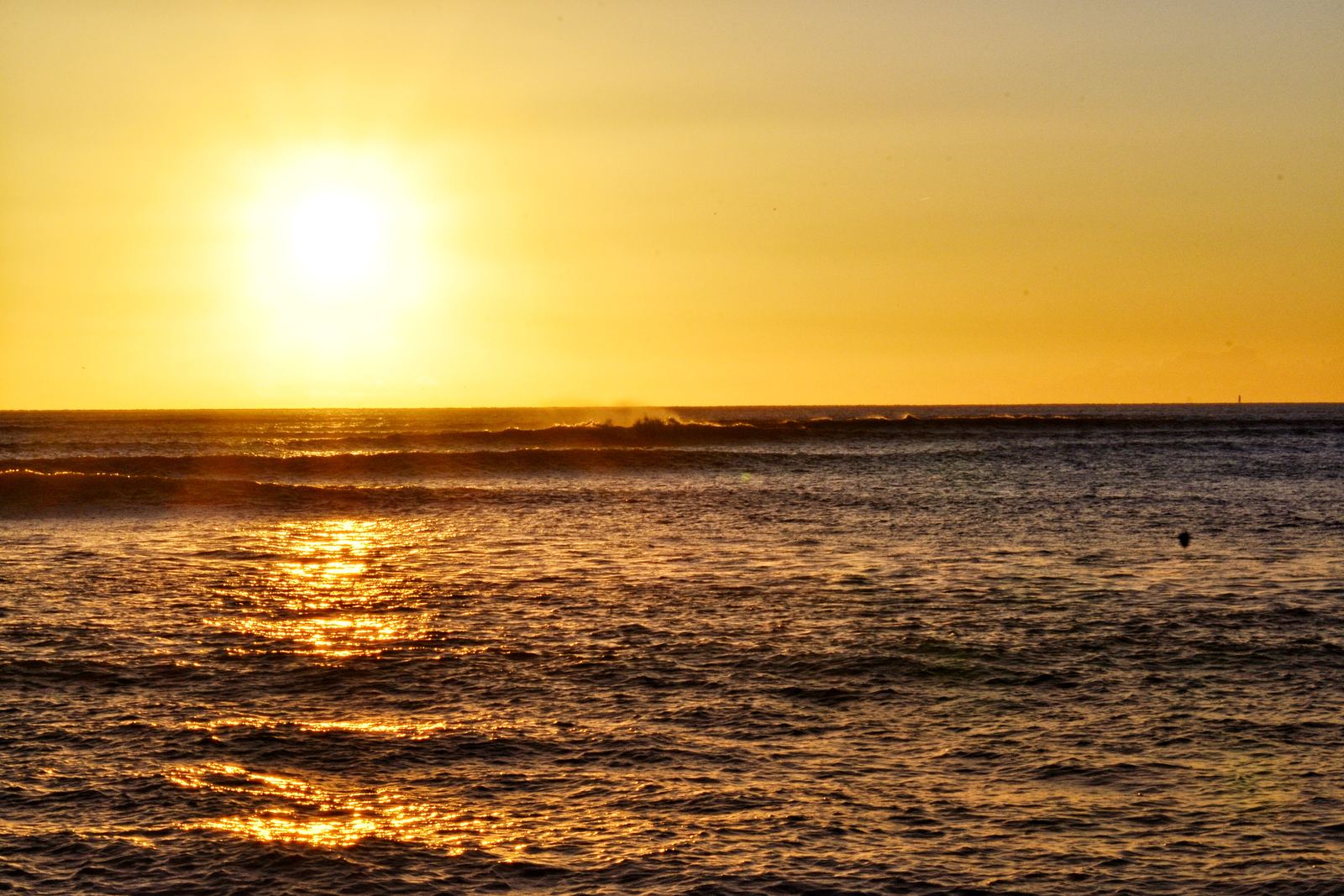
For most of its history, Venice measured its relationship with the sea in centimetres of acqua alta and the age of whichever barrier scheme was supposed to hold the next tide out. By 2826 UCSD, the city has stopped measuring that fight entirely, because it no longer needs to win it one flood at a time. It floats.
A City That Already Knew How to Drown
Venice spent the better part of two millennia on wooden piles driven into a lagoon that was always, quietly, winning. Barrier projects came and went, each buying the city another few decades against a subsidence rate and a rising Adriatic that never stopped moving in the same direction. The coastal fragmentation events of the 2130s and 2140s — the same climate-driven decades documented across the Solar System's coastlines during the Crisis Centuries — were the point at which every remaining barrier scheme finally lost the argument at once. What had been an engineering rear-guard for generations became, within a single bad decade, a question of whether the city would still exist to argue about.
Venice's answer was not evacuation, though evacuation was seriously proposed and formally costed twice during the worst of it. It was the same answer the lagoon's builders had been giving since the first piles went into the mud: stay, and change what staying requires.
The Conversion
What Venice built, over the following century and a half, was not a taller barrier. It was a foundation that no longer cared what the water did. Engineered platform hulls — the same load-bearing register documented in full at Saltmere, where an entire ocean world's population lives on nothing else — were built up beneath the historic city block by block, sestiere by sestiere, and cabled to seafloor mooring towers that hold the whole assembly in place against tide, storm surge, and the Adriatic's slow, continuing rise. Where Saltmere's platforms were built from nothing for a planet that never offered dry land in the first place, Venice's were threaded in underneath a city already there, occupied, and unwilling to be relocated for the convenience of its own foundation. The retrofit took longer, cost more per square metre, and could never touch the surface anyone actually lived on until the structure below was finished and proven.
It was finished. Venice today does not flood, because there is no fixed elevation left for a tide to catch it at. The platforms ride the water instead of resisting it, re-tensioned continuously the way Saltmere's are, and the canals that once carried the city's acqua alta warnings now carry nothing more dramatic than ordinary boat traffic and a controlled, cosmetic swell.
Old Face, New Foundation
Venice's builders made one decision early that shaped everything after it: the retrofit would be invisible from street level, or it would not be considered a success. Campaniles, facades, bridges, and the particular narrow geometry of the calli were surveyed, catalogued, and rebuilt to their historic tolerances on top of the new platform hulls, rather than redesigned for the technology now holding them up. The result sits in the same register documented generally for old-and-new meeting points elsewhere in the record: a place that does not hide its engineering, exactly, but declines to let that engineering announce itself over the material history it was built to save. A visitor standing in a campo sees stone, brick, and thirteen centuries of accumulated repair. The mooring towers and platform seams are a level down, doing their work without asking to be admired for it.
Residents describe the trade-off, when asked, in terms that would sound familiar to a Martian civic historian: keeping Venice recognisably itself was never the cheap option, and no one who lived through the conversion argues that it was. It is simply the option the city's own people were unwilling to let go of, the same instinct that has kept Mars's oldest domed districts un-terraformed by popular vote for four centuries running.
Venice in 2826 UCSD
Civil administration of the platform system falls to the same standing environmental authority that maintains Earth's wildlife preserves under Solar System Defence Command — the institutional throughline the Crisis Centuries record traces from early coalition action through the United Space Consortium's civil administration to today. Venice itself remains, as it was for most of its pre-expansion history, a city rather than a fully sovereign world or habitat: no Star Rangers jurisdiction limit applies to it in the way one applies to a charter planet, and its day-to-day governance is a civic matter rather than a Concord one.
What draws visitors now is not so different from what always drew them: a historic city that should not, by any reasonable engineering expectation, still exist in recognisable form. The difference is that in 2826 UCSD, nobody visiting Venice is gambling on the tide.
The conversion's other legacy travelled further than the lagoon. Once fold-route colonisation put entire virgin ocean worlds within reach, Venetian retrofit engineers were among the first Sol-diaspora specialists to take the platform-and-mooring-tower method off-world entirely, rather than only ever repairing what a planet's own water had already half-claimed — an export documented in full at Thalassa, whose founding city took the name New Venice in direct homage.
See also: The Crisis Centuries: Terran Wildlife from Collapse to Stewardship, Saltmere, Environmental Technology Design, Mars, The Subsea Cable Warden Programme, Thalassa.
Discussion
Show discussion
Comments are read after they are posted and anything unsuitable is removed. Posting needs a GitHub account; reading needs nothing.