Coasts, and Other Edges
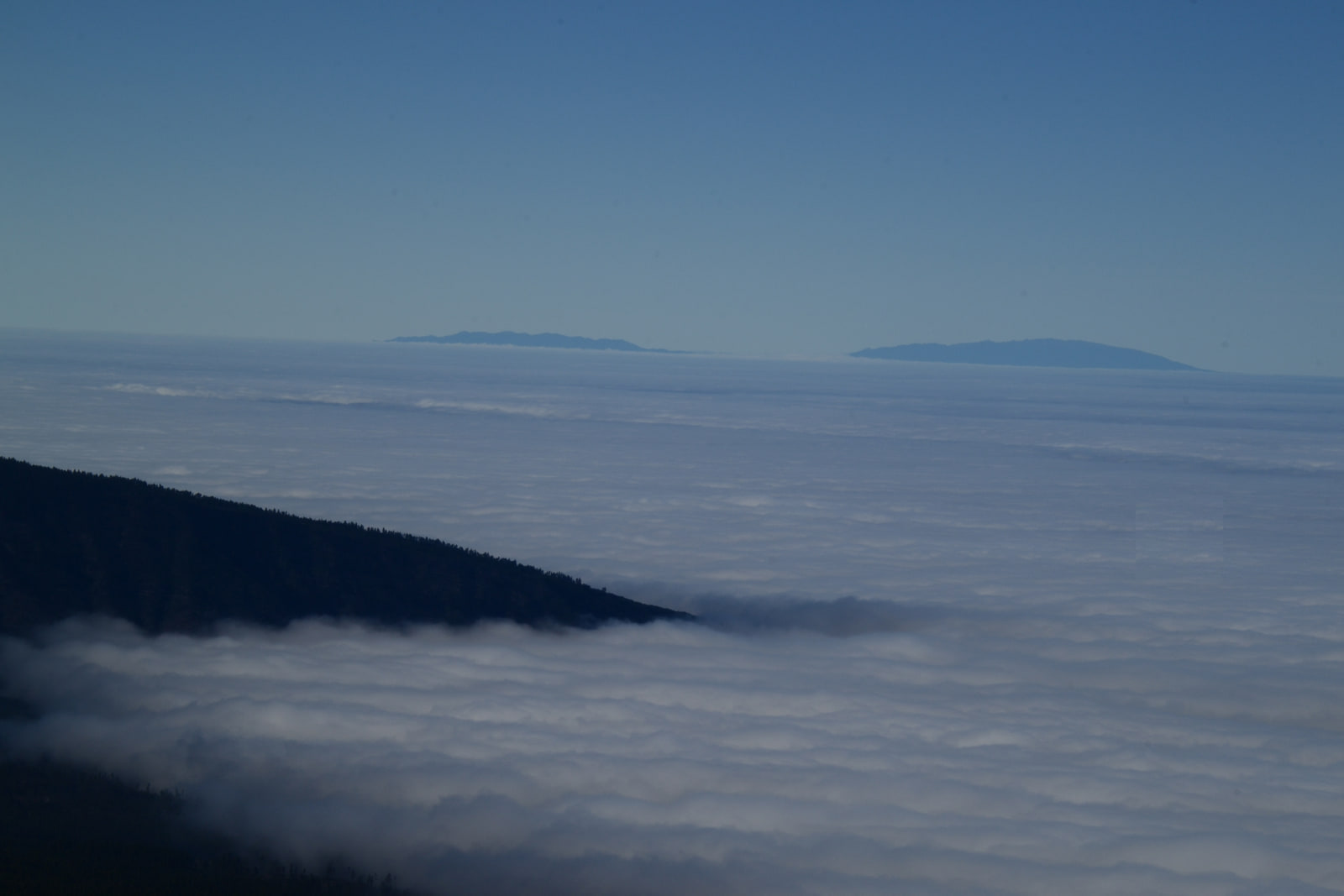
The Survey Corps does not record the length of any world's coastline, and the refusal is arithmetic rather than modesty. A coastline's measured length depends on the ruler: survey it by headland and you get one figure, by cove and you get a longer one, by boulder and longer again, without convergence. So the record stamps every coastal figure with the scale it was taken at and treats the question how long is the coast the way it treats every question of the wrong shape — by declining to pretend it has one answer.
The Argument Held Daily
Everything in a landscape is a rate wearing the costume of a place, and the coast is where the costume slips. Mountains wear down on clocks nobody lives long enough to hear ticking; a coast erodes, silts, breaches and rebuilds within a tenancy, which makes it the one landform whose nature as an argument — land against sea, held daily, with the tide as the clock — is visible to the people standing on it. The tides doctrine established that the shoreline is where the tide becomes an event. The complement is also true: the shoreline is where the land's own rates become events, fast enough to witness, and coastal cultures are the ones that grow up knowing ground is provisional.
Everyone Lives at the Edge
An interface is two economies with one address. A coast dweller harvests two systems — the land's and the water's — and every estuary in the record earns its keep twice over, which is why settlement gravitates to edges on every surveyed world with edges to gravitate to. The Kingdom of the Five Islands is the case run to its limit: two percent land on a storm ocean makes a kingdom that is very nearly nothing but coast — Kalenjar existing entirely as a harbour region, anchorage and salt-houses and the strip of hinterland that serves them, while Casimor absorbs the archipelago's worst weather so the rest need not. Tír na nÓg's warmer, calmer coastlines are the planet's most visited ground; Brother Daire's abbey sits on a tidal river, at the edge of the edge; and the pattern needs no theory beyond the obvious one — the edge is where the traffic is.
Worlds That Bend the Definition
The record's water worlds invert it cleanly. Saltmere and Thalassa have zero natural coastline — the survey figure, for once, is exact — and are nonetheless maritime civilisations to the bone: their entire coast is the engineered perimeter of their own hulls, a shoreline measured in gantry rail, owned, maintained, and load-rated. A platform city is a harbour with no land behind it, and its people are coastal in every habit while standing on the only ground for a thousand kilometres.
The Pelagene Littoral rotate the concept ninety degrees. They are a people of a boundary layer rather than a shore — their littoral runs horizontally through the water column, oriented on the vertical, the meeting of two water masses doing everything a land-and-sea interface does elsewhere: concentrating nutrients, traffic, and attention. Their name is the survey's small joke and its exact taxonomy in one word: a coastal people whose world put its coast on the other axis.
And two edges in the record are coasts between things other than land and water. Kernowek Reach's Cloud Line is a shoreline between atmospheres — the permanent, weather-scale boundary where the engineered band meets the raw air below, named once by the settlers and never renamed once the novelty wore off, which is precisely how coasts get their names. Fliade's cavern mouths are its beaches: the crossing points between the mineral-sharp surface desert and the living deep, and the only places its two worlds trade.
The Coast as Rehearsal
One observation belongs at the end of this entry because it belongs at the end of the whole set. The record's own vocabulary for the edges it actually exists to watch is coastal to the bone — a station called Threshold, a boundary site called a Causeway, zones where the Interval narrows described in the survey's own words as edge behavior, and an order that speaks of tending thin places the way keepers once tended lights. That is not this entry claiming the membranes are oceans. It is the record's own naming, and it says what naming always says: the people who first needed words for the strangest edges in the universe reached for the edge they already knew. The coast is where every world rehearses the skills its record will eventually need — watch the interface, expect traffic, expect productivity, expect change, and never mistake the current map for the ground.
See also: Tides Without Shores, Weather on Other Worlds, Stone, Fire, and Ice, The Pelagene Littoral, The Kingdom of the Five Islands, Boundary Zones.
Discussion
Show discussion
Comments are read after they are posted and anything unsuitable is removed. Posting needs a GitHub account; reading needs nothing.